
Tired.
A DIY guide to post-religious prayer

On Saturday, I spent part of the afternoon making blackout curtains for my bedroom. I felt a sense of triumph, almost as if I had outsmarted Marie Kondo, when I pulled out an old tablecloth from the back of the closet and located the bag of 125 safety pins I’d only ever used one of in the past five years. Kondo, as you might recall, advocates for getting rid of anything that doesn’t “spark joy” or isn’t being regularly used.
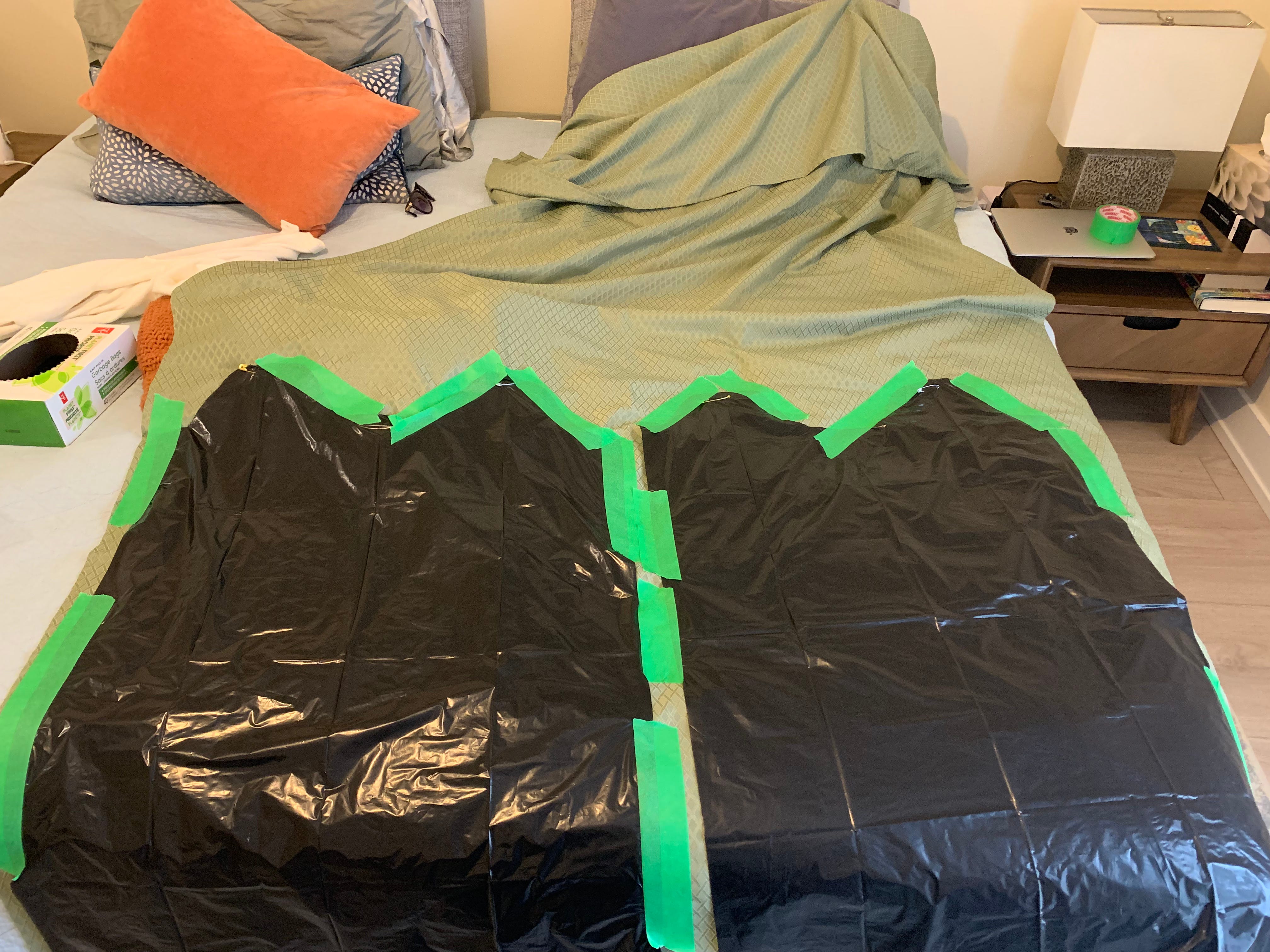
My problem has always been that I have to hold on to things that don’t bring me joy because replacing them with joyful items costs too much money. I recognize that my bath towels are shabby and my shoes are worn out. But the reality is that I can’t afford to buy new ones right now.

Which is why I’m making curtains with painter’s tape, garbage bags, and an old Value Village table cloth instead of buying them.
I need the curtains because my son and I are having a terrible time sleeping, both springing awake before 5:30 AM whether we want to or not. I think my problem is clear; 5:30 is when the sun starts shining and the birds start singing (dammit). Thus, the curtains.
But my son’s problem is not so straightforward. He sleeps in a perfectly dark, temperature-controlled room with white noise, exactly four special blankets, and one teddy bear. For reasons that totally baffle me, he too is waking up before 5:30, way before he should be, leaving him cranky and yawning from the moment he wakes up. Why we are linked in this early morning fate, I have no idea.
The early wake up also means I end up doing three hours of housework and childcare before I even start my work day, which is now full of not only work but messages from the concerned daycare teacher to tell me my normally easy-going kid is hitting people and colouring on the walls.
Because it was such a rough week, I decided I wanted to make this Saturday all about fun. We would go shopping at the mall, have a special lunch, pick up new clothes and a toy, and do what he really likes which is to just generally explore everything from the elevators to the automatic doors and talk my ear off about his life. His life, or, what I can gather from our conversations, is mostly about snails he has seen and stickers. It was actually his first time hanging out at the mall and I was looking forward to it.
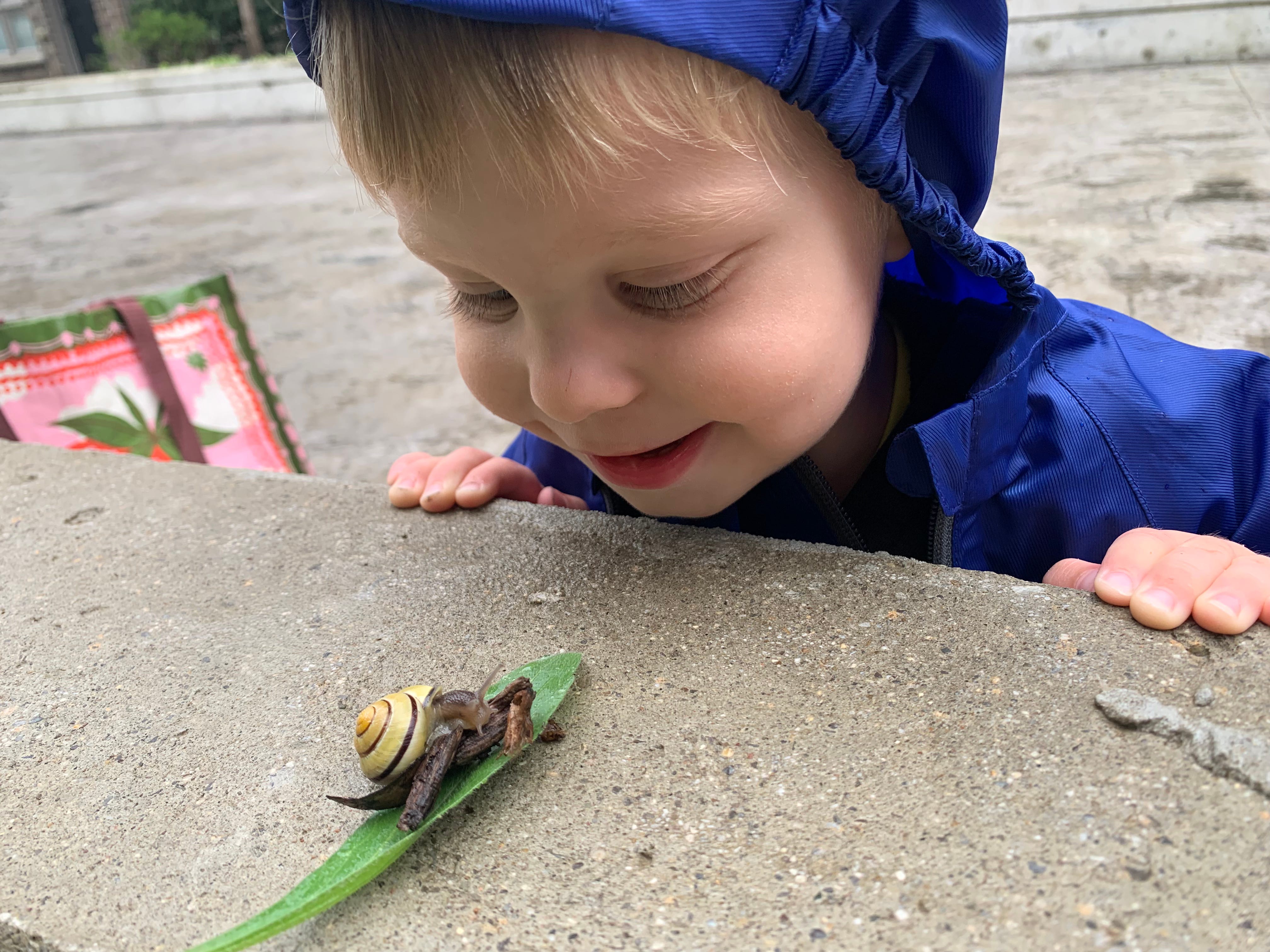
But things are sour from the get-go. We are both battling a cold (again). He wakes up too early and has big bags under his eyes - again. He’s taken to enthusiastically pinching me – when he is happy or angry – and today he starts from the time I pick him up out of this bed. He’s also recently realized he doesn’t have to do what he’s told, a power he is exercising at every opportunity.
I am fried before we even get downstairs so I can make the breakfast that he refuses to eat.
At the mall he is terrified of the coin-operated rides that I thought he’d love. I order him a kid’s meal and he is delighted, then eats exactly two fries and two bites of chicken. The elevator is a big hit, as is the bathroom with automatic taps. We somehow avoid a meltdown (both of us) and he falls asleep in his stroller for the walk home, thankfully, after spending most of our time out asking if we can just leave.
I have now spent about a decade studying women’s religious and spiritual experiences.
One striking pattern I’ve observed is that, for women, these “spiritual” experiences are almost invariably intertwined with stories about our bodies. And stories about our bodies often extend to stories about our children.
This realization came to me recently when I was listening to a woman talk about moving away from her Catholic upbringing into a more expansive spirituality. She started her story by describing her experiences with childbirth—how her first birth did not go as planned, the challenges she faced with breastfeeding, and how the birth of her second child provided an opportunity to reclaim and transform that experience.
She spoke very little about doctrine, or proofs for the existence of god, or other things you might expect someone to bring up in their religious exit story. Instead, she spoke about her body and her children.
Ask a woman to tell you her spiritual/ religious story and she will almost invariably talk about her body. Having babies, or not being able to have them, or trying to not have them, or telling people you don’t want to have them. Having sex, or trying not to have sex, or being forbidden from having sex, or having the wrong kind of sex. Gaining weight, losing weight. Trying to breastfeed, finding out you can’t. The list goes on.
Getting our bodies to do what we want them to do, what some other creature needs them to do, or what someone else thinks they should do is the way many, if not most, women spend their lives. It certainly seems to be how we spend our spiritual lives.
Which is probably why, when I sat down to write this article about women’s post-religious spiritual lives, I ended up writing about sleeping and my struggles with my kid.
When men write definitions of religion, they say things like, “It’s a system of myths and symbols that give a sense of order and meaning” (Geertz). Or “What we do privately to connect with the divine” (James).
I think if more women were in the business of defining religion, it would be something like what Grace Jantzen talks about – less about life after death and more about birth. It would focus more on the everyday realities of living, like making DIY blackout curtains and shedding tears because our babies won’t sleep. It would be about the sacredness of our daily struggles and the divinity that comes from nurturing life. This is a spirituality that I feel deeply, even in my post-religious life.
The challenging part for me is figuring out what to do with these spiritual feelings now that I don't have a religious community to be part of. Without a tradition to express my spirituality, I feel lost. While many seem comfortable in the "spiritual but not religious" camp, I still find it lonely.
The other morning, as my son woke up far too early yet again, I stared at the baby monitor, watching him wiggle around, praying he would go back to sleep. I was actually praying, intentionally. To whom, I don’t know. Like the famous atheist (I suppose?) Jacques Derrida said when asked who he prays to, "If I knew that, I’d know everything."
Later that day, I was carrying my tired child around trying to figure out what I’m supposed to do to help him and feeling like an utter failure. He patted my back with his little hand and said, “Mommy, you’re a nice friend.” I took it as a kind of blessing. Maybe not the happy ending to our day that I had hoped for, but a kind of reassurance.
Maybe we don’t know where we’re going, or who we pray to along the way, but at least we know who is going with us.
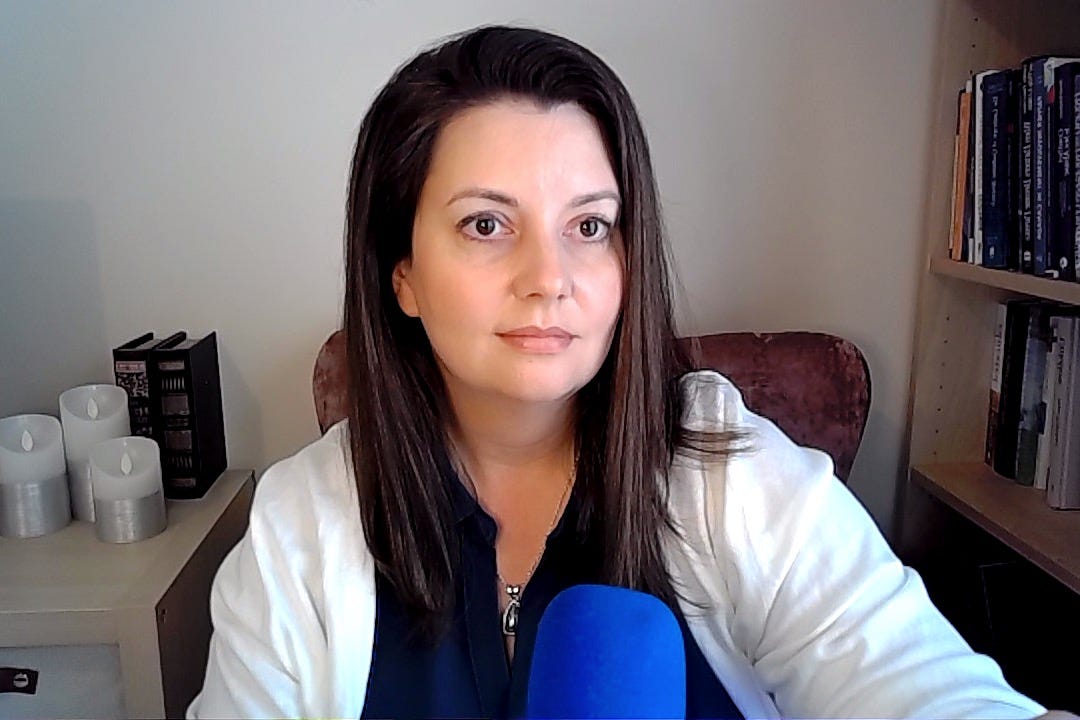
Jessica Pratezina is one of the co-founders of SisterWild, a community for women in religious transition of all kinds. She is a writer and researcher who studies religion, gender/ gender based violence, and life-writing. She lives in Toronto, Ontario. She can be reached at thesisterwild@gmail.com
This is so real. While many male theologians get to think about God from the ivory tower, women are in the trenches of things. Sending you encouragement and I hope you are sleeping better these days.